
Observing children at play: what to notice and how to help
A specific situation, the support offered and what happened next can guide your next play activity.
Families and teachers
Article by the Lola & Sam team. Sources at the end.
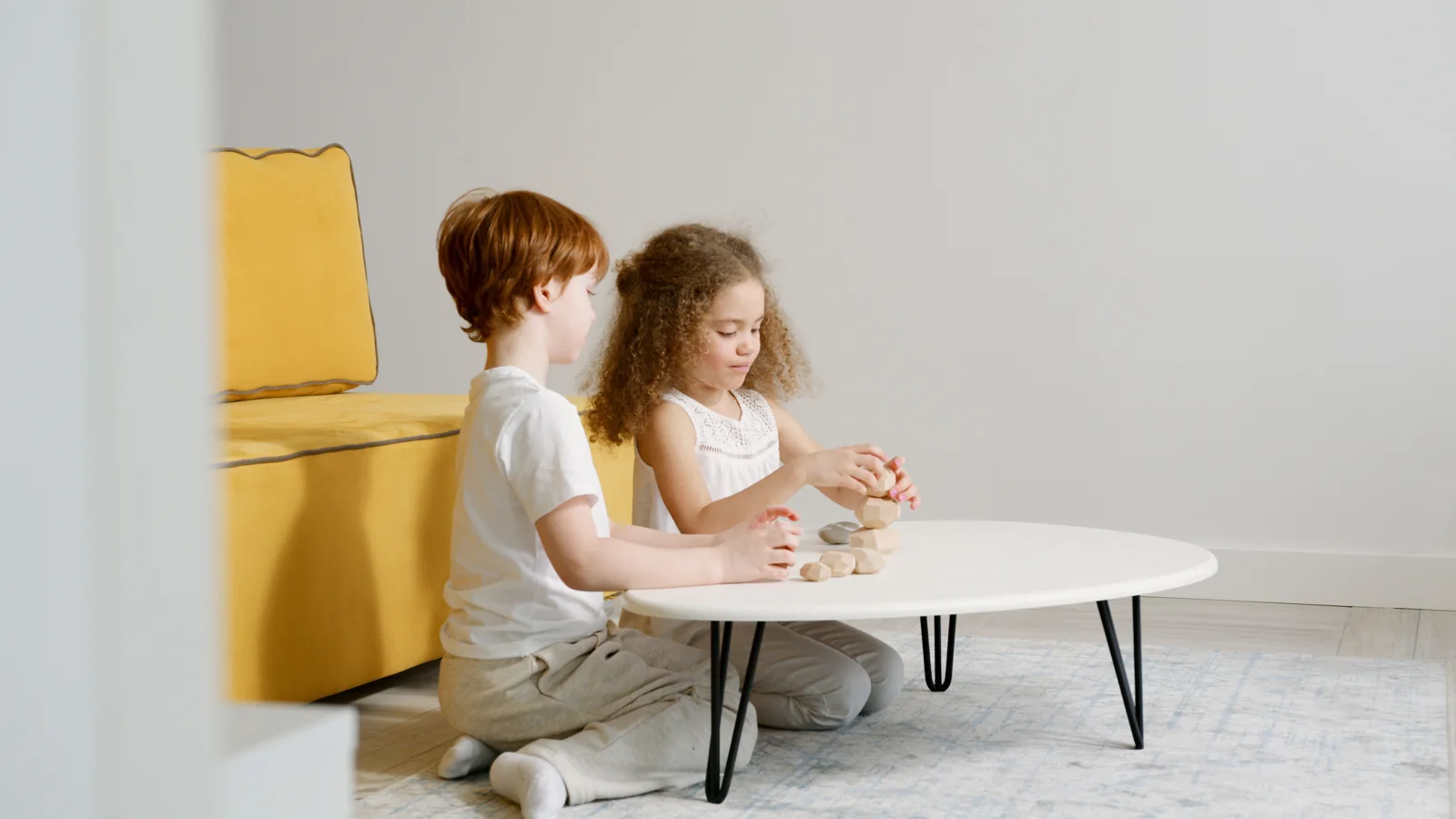
Observing children at play: try “an attempt worth revisiting” with support matched to your child. You are building and a piece will not fit. Your child turns it, looks for another or looks at you for help. Before stepping in, notice that attempt and decide how to support it. Record one short play scene to plan another opportunity: what they were trying, what support they received and what happened next. A concrete note can be more useful for planning than a broad judgment such as “good at this.”
At a glance
- Suggested ages: 2–3, 3–4, 4–5, 5–6, 6+ years.
- Materials: A shape or quantity game, paper for a short note and your usual materials.
- Key idea: Choose one observation question before starting, such as how your child compares two shapes.
Observing children at play: what to notice
UNIR’s general didactics guide includes assessment, evidence and feedback. NAEYC places observation within play and routines and uses it to inform planning. In our example, note a visible action and the support you offered.
“Turned the triangle and placed it above the square after looking at my example” describes a scene. “Understands every shape” adds a conclusion that the scene cannot establish. If the purpose is comparing shapes, notice that comparison; if it is using a word, record what was said and in which language.
Source: UNIR · Didáctica General; NAEYC · Observing and Assessing.
Choose a next opportunity
Imagine your child finds the circle on hearing “círculo” but needs pointing when hearing “circle.” Return to both words with a picture and a gesture, varying which comes first. This observation helps you choose support; one response does not show everything they understand in either language.
Next time, change one element: fewer pieces, a visible example or more time. Leave room for your child to suggest something else. These notes help adapt everyday activities; they are not a diagnostic test or a way to rank children.
Source: NAEYC · Observing and Assessing.
An attempt worth revisiting · setup and steps
You will need: A shape or quantity game, paper for a short note and your usual materials.
- Choose one observation question before starting, such as how your child compares two shapes.
- Play as usual. Allow an attempt before offering a hint, unless your child requests help or needs you to step in.
- Afterwards, note the situation, action and support: “With three pieces available, chose the circle after I pointed to it.”
- Plan another opportunity with one concrete change. Observe again without expecting every session to be the same.
Words to share
Español: ¿Qué estás intentando hacer?
English: What are you trying to do?
Español: ¿Te ayudo o quieres probar otra vez?
English: Would you like help, or would you like to try again?
How to adapt it
Make it simpler
Notice a choice between two objects in an already familiar game.
Extend the game
Invite your child to explain what changed between attempts and record their own words.
At home
Keep a brief note for yourself without repeatedly interrupting play to record every action.
In the classroom
Agree on an observation focus and share concrete examples with families, including the languages and supports used.
A useful closing question is “What can I prepare so they can keep exploring?” Looking closely at one scene helps you choose the next material or gesture without turning the whole game into an assessment.
Activities to keep exploring
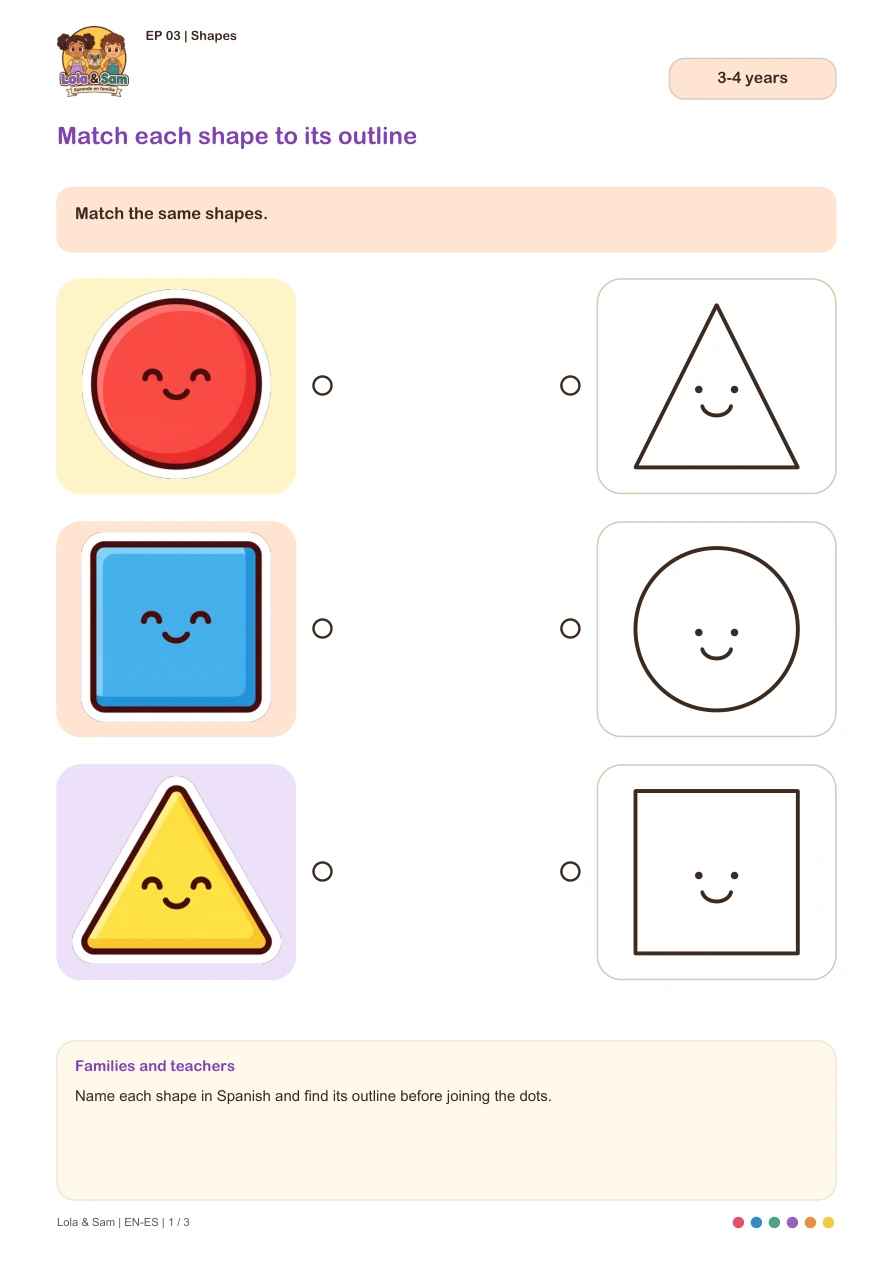
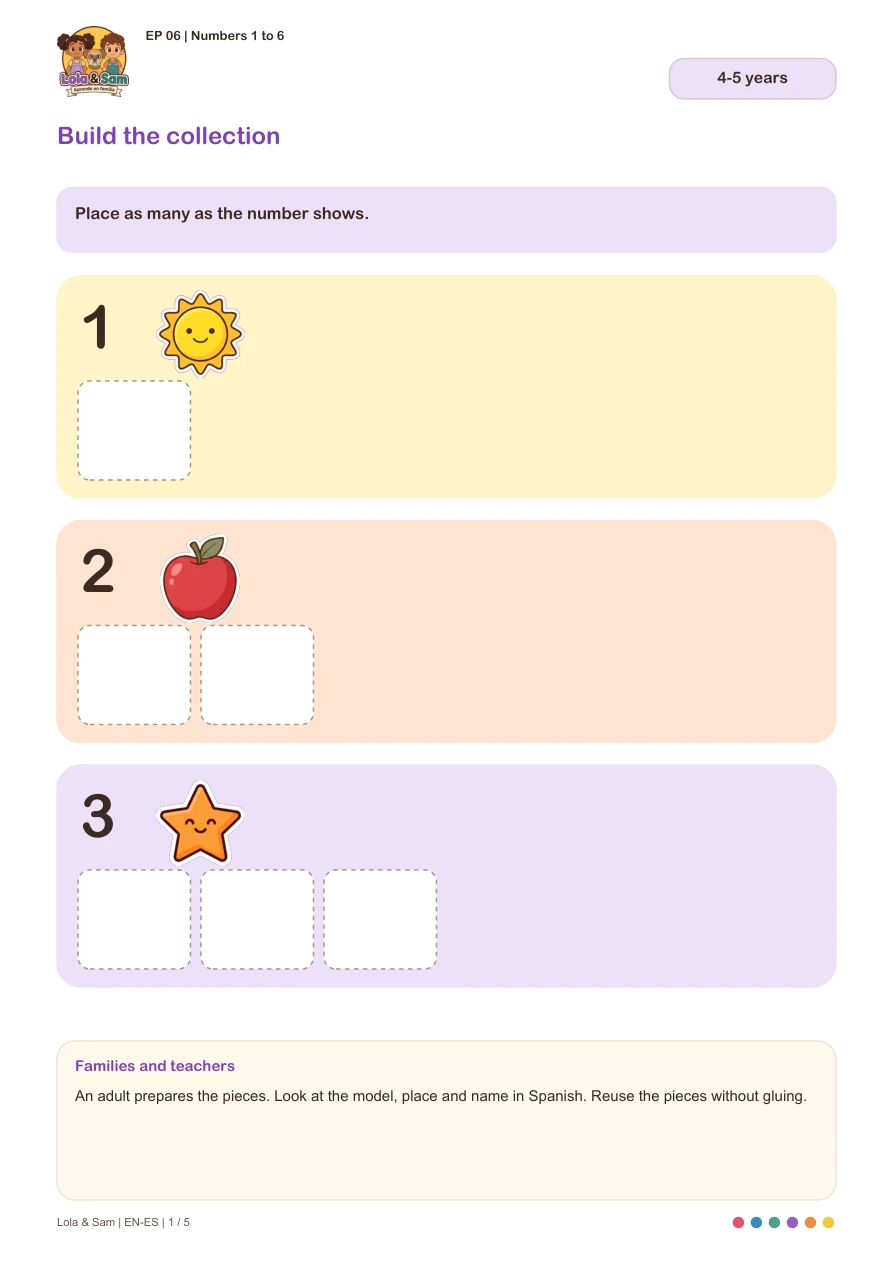
Sources and further reading
- Universidad Internacional de La Rioja (UNIR). Didáctica General. Public course guide for the Degree in Early Childhood Education. Accessed November 16, 2026. Read the course guide ↗
- National Association for the Education of Young Children (NAEYC). DAP: Observing, Documenting, and Assessing Children’s Development and Learning. Developmentally Appropriate Practice position statement. Read the educational guidance ↗
These games are Lola & Sam’s own suggestions. Course guides and professional guidance provide educational context; they do not establish the effectiveness of these activities. The cited studies do not evaluate our episodes or materials either.